
India’s Wildlife Comeback: A Conservation Success Journey
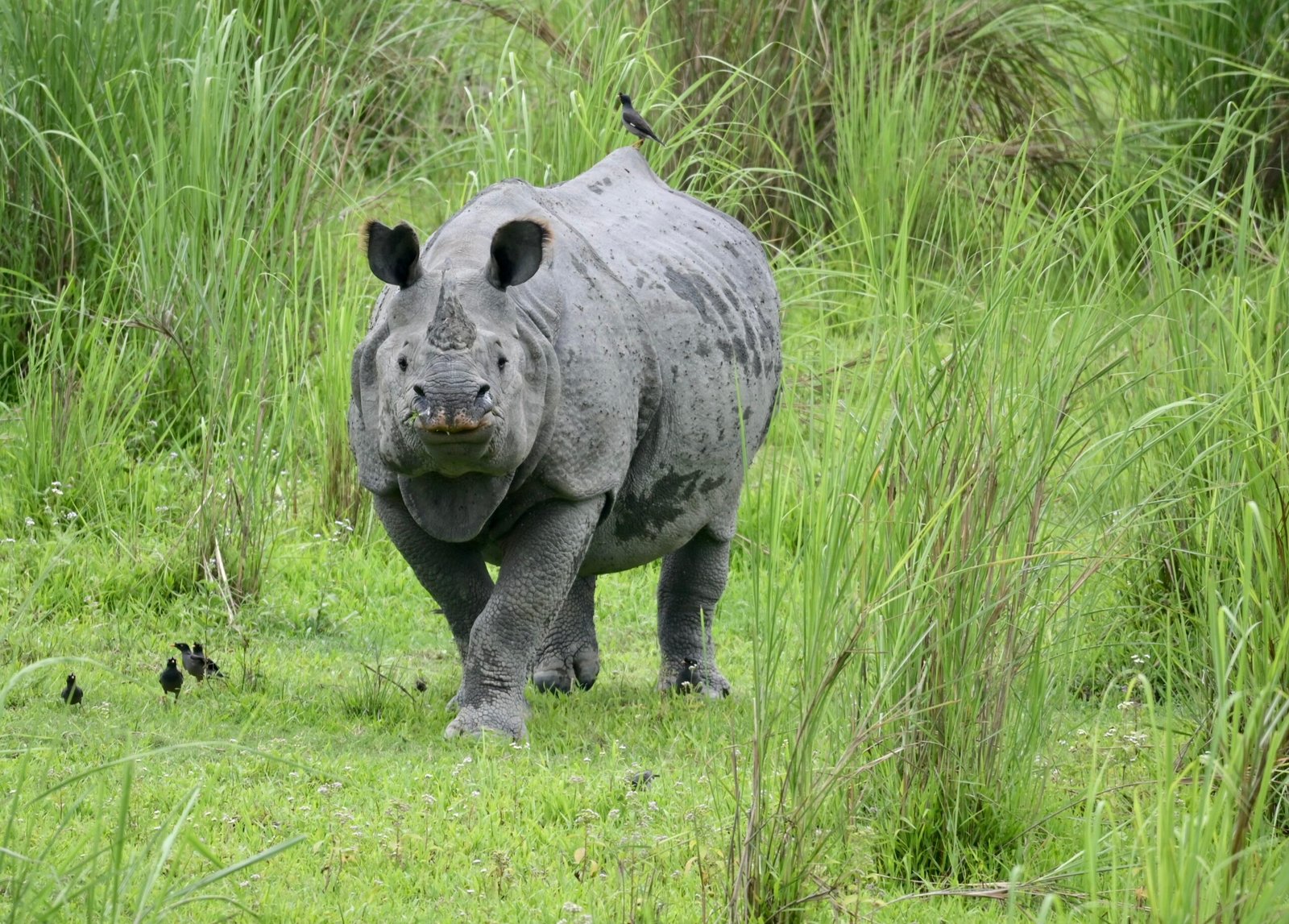
A STORY OF HOPE IN THE WILD
At Wild Mahseer, we sit at the heart of this story.
There is something deeply encouraging about watching wildlife return to landscapes where its future once seemed uncertain. Across India, years of conservation, habitat protection, and dedicated efforts have helped some of the country’s most iconic animals make a remarkable comeback.
At Wild Mahseer, we are fortunate to be surrounded by this story of conservation success. Located within Assam’s remarkable wildlife landscape, our resort offers a gateway to some of the region’s natural treasures—from Kaziranga and Nameri to the wider forests and wildlife habitats of Assam and Arunachal Pradesh.
3,700+ Wild Tigers in India Today
India holds about 75% of the world's wild tiger population, up from 1,411 tigers in 2006.
4,000+ Greater
One-Horned Rhinos
Strict protection has helped bring the species back from critical endangerment.
30,000+ Asian Elephants in India
India is home to around 60% of the world's Asian elephants
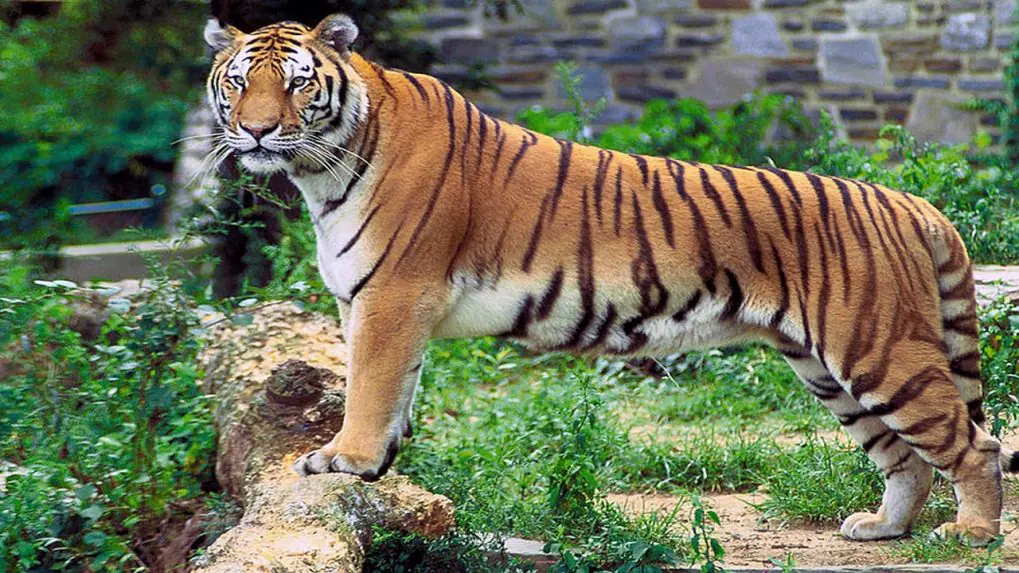
Tigers: A Remarkable Comeback
India is now home to more than 3,700 wild tigers, representing around 75% of the world’s wild tiger population. This is a remarkable change from the 1,411 tigers recorded in 2006.
Behind these numbers lies a much larger story: the importance of protected habitats, conservation programmes and continued efforts to safeguard one of the world’s most magnificent big cats.
Nameri National Park & Tiger Reserve
— just 13 km from Wild Mahseer
The Greater One-Horned Rhino: From Threat to Recovery
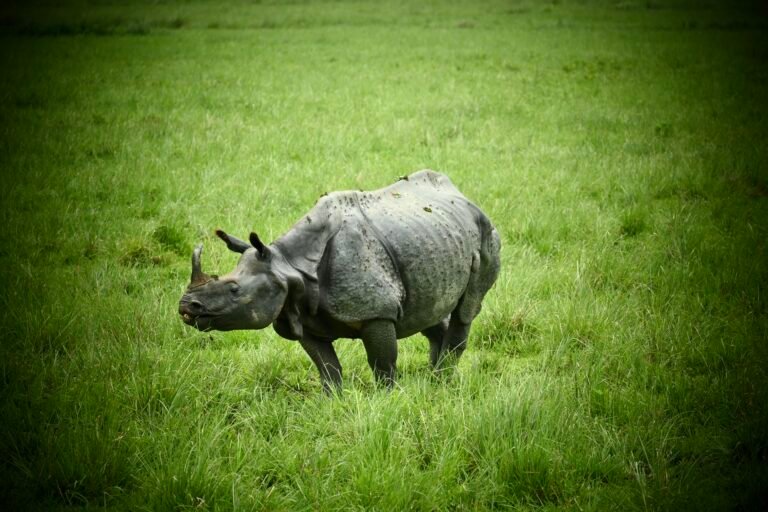
The story of the Greater One-Horned Rhinoceros is another powerful example of conservation in action. India is now home to more than 4,000 rhinos, with strict protection playing an important role in bringing the species back from critical endangerment.
Assam is at the centre of this success story. Kaziranga National Park in Assam holds the world’s largest rhino population, making it one of the most important wildlife destinations for experiencing these extraordinary animals.
Kaziranga National Park
Panpur Range — 33 km from Wild Mahseer
Burapahar Range — 65 km from Wild Mahseer
Living Alongside Asian Elephants
India is also home to more than 30,000 Asian elephants, representing around 60% of the world’s Asian elephant population. For elephants, conservation is about more than protecting individual animals. Elephant reserves help safeguard the natural corridors that herds continue to use.
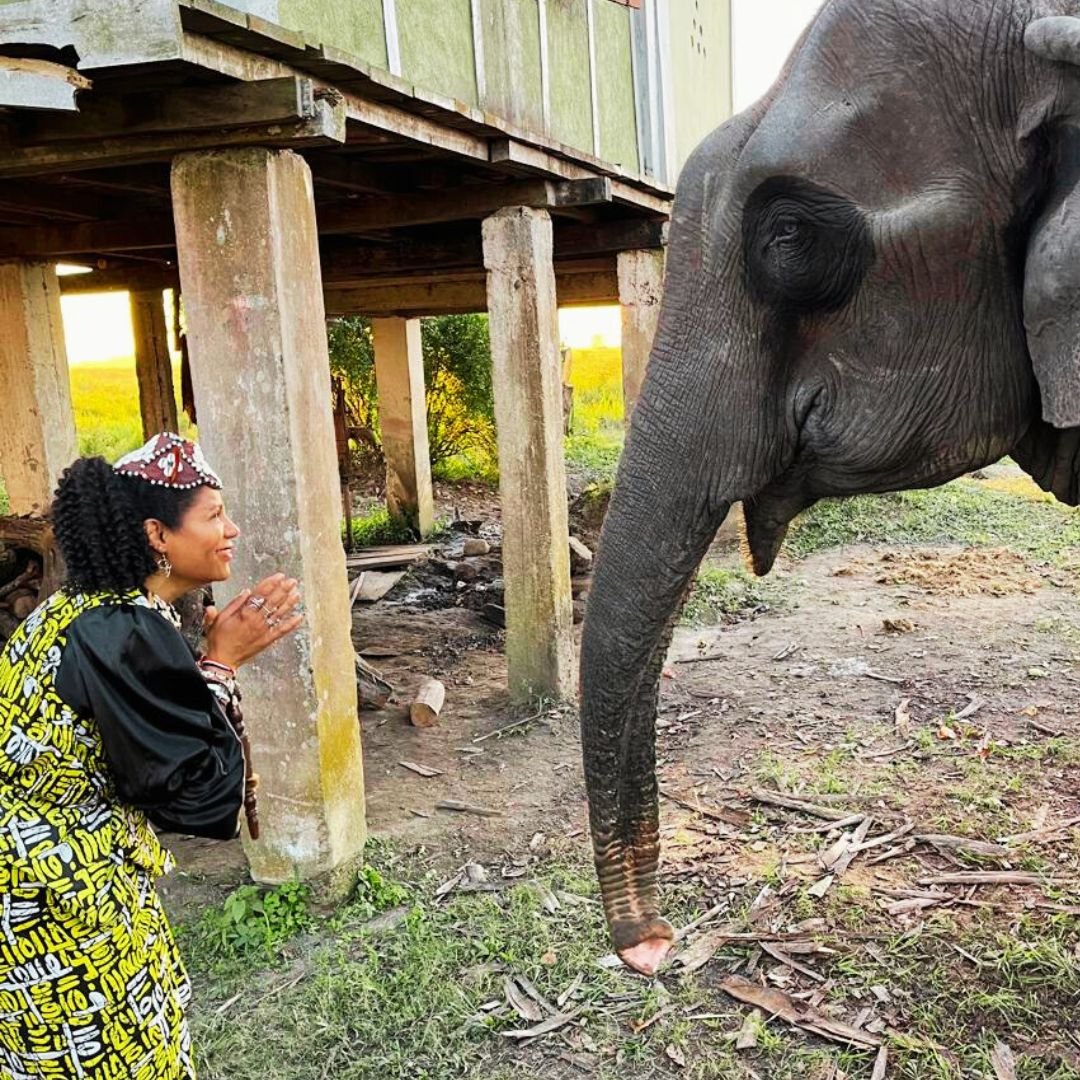
“Wild elephants are our neighbours at Wild Mahseer.”
YOU CAN BE PART OF THIS STORY
WILD MAHSEER: THE WILDLIFE CAPITAL OF ASSAM
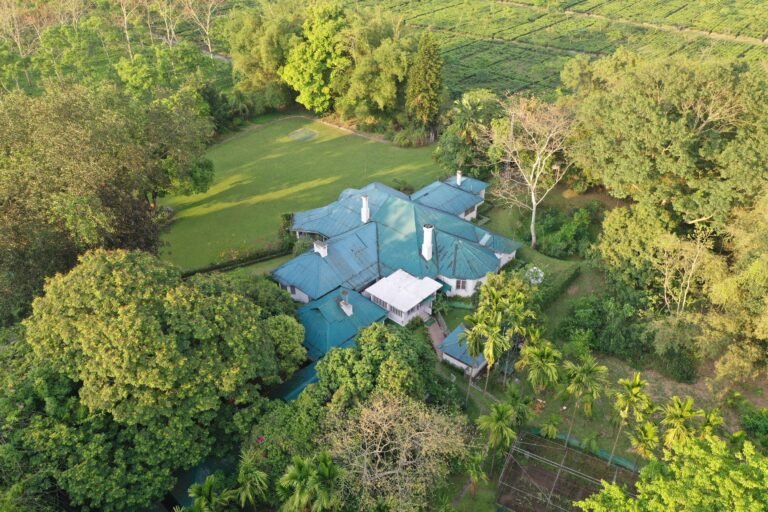
Open a balcony to the natural world, with access to Kaziranga National Park & Tiger Reserve, Nameri National Park & Tiger Reserve, Orang National Park, Laokhowa Wildlife Sanctuary, river dolphin landscapes, Pakke Tiger Reserve, and Eagle Nest in Arunachal Pradesh.
Sometimes, the Wild Is Right Outside Your Door
Sometimes, experiencing the wild doesn’t require going far. At Wild Mahseer, nature is part of the everyday landscape. Slow down, look closer and discover the birds, butterflies and living heritage that surround you.
90+
BIRD SPECIES
72+
BUTTERFLY SPECIES
1000+
YEARS OF ENVIRONMENTAL HERITAGE
The Comeback Is Still Being Written
India’s wildlife comeback is a story still being written. It is a story of protection, patience and the belief that wildlife and people can continue to share these landscapes. At Wild Mahseer, we invite you to experience this story for yourself—not simply as a visitor, but as someone who pauses, observes, and connects with the natural world.
Write to us